Meeting the Moment
An Environmental Policy Guide for Maine
2026-2031
Maine’s environment is like no other.
Whether you’ve lived in Maine your entire life or arrived here more recently, there is no denying the extraordinary beauty of the environment we now all call home. The backdrop is awe inspiring, with mountains, rivers, forests, and coastlines that are simultaneously exhilarating and peaceful to experience. From black bears to butterflies, wildlife is all around us, reminding us regularly that we are part of something bigger. But our environment is also so much more. It’s the lifeblood of our communities, our culture, and our economy.
The choices made by Maine’s next leaders will impact our environment and our way of life for generations to come.
Like many Americans, Maine people are experiencing difficult change. Groceries, housing, and energy costs are taking a bigger bite out of our paychecks; access to child care and elder care is more difficult; and too often, we are travelling farther and paying more for needed medical services. But here in Maine, we respond to adversity by working hard and working together, often finding creative approaches and innovative solutions.
As we meet this moment, our public policies and government systems can and must reflect our shared values, our changing world, and the challenges and opportunities before us. Together, we can forge new paths that utilize our environmental resources wisely, connect the dots across our communities, and integrate the wisdom and problem-solving skills of the people in Maine.
This policy guide outlines five areas of focus and the specific actions needed to rebalance Maine’s environmental policies in favor of fairness, responsibility, sustainability, and collaboration. In taking these important steps, we will be preserving our natural assets and supporting the health and economic prospects of people and communities in Maine for generations to come.
Land, Water, and Wildlife for Future Generations
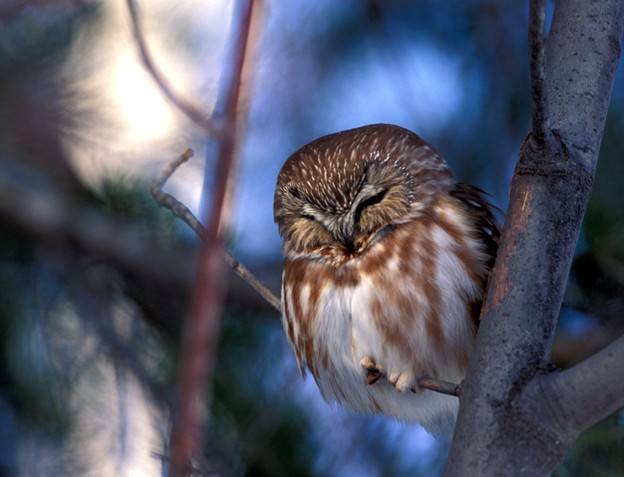
Maine’s natural heritage defines us. Our mountains, rivers, forests, and coastlines drive our economy and create limitless opportunities for recreation and relaxation. The next generation should have the same opportunities to fish for brook trout, watch the sunrise from a mountaintop, follow fresh tracks in the snow, and earn a living off the land. This is the Maine way of life, and it’s worth conserving, protecting, and passing along.
The value of the land, water, and wildlife in Maine extends well beyond our borders. Our environment also plays an important role in addressing two global challenges – climate change and the loss of biodiversity. Maine’s immense forest absorbs and stores well over half of Maine’s greenhouse gas emissions and is home to a wide variety of plants and animals. Maine’s lake and river ecosystems support populations of rare and endangered species while also serving as the backbone of our outdoor economy.
But the pressures on Maine’s natural resources continue to mount. Habitat fragmentation and loss are the number one threats to wildlife in Maine. Climate change is eroding soils, warming waterbodies, shifting wildlife ranges, and spreading invasive species in our lakes while development pressures are causing the loss of farmland, waterfronts, and public access. These concerning trends make it more important than ever to safeguard Maine’s remarkable environmental assets.
Maine’s next leaders must ensure our land, water, and wildlife, and the quality of life they can provide, are available to everyone, in every Maine community, for generations to come.

Healthy & Prosperous Communities
No matter its size or location, each Maine community grapples with complex issues that impact the health of its residents, the quality of its schools, the delivery of public services, and the vibrancy of its economy. Our towns and counties can be seriously impacted by state and federal policy changes, which in turn can make it challenging to maintain services and respond to emerging needs. Fortunately, Maine people have never lost the instinct for coming together as a community to fix what’s broken – all with hard work, kindness, and creativity.
Healthy and prosperous communities require a variety of favorable local conditions, including the availability of affordable housing, health care, child and elder care, transportation options, nutritious food, and safe drinking water. Equally essential is the active engagement of community members of all ages, including small businesses, parents, educators, health care providers, outdoor enthusiasts, young people, and many others with diverse perspectives and expertise.
Strong communities understand intuitively that we are all responsible for each other and for the world around us. Polluting industries should not profit while Maine’s air, water, and soil are poisoned and Maine families are footing the bill. Maine’s next leaders need to hold polluters accountable and make sure our communities have the resources necessary to keep toxins out of food and drinking water, maintain recycling and product stewardship programs, manage growth strategically, and protect Maine’s outdoor traditions for generations to come.
Sovereign Wabanaki Nations
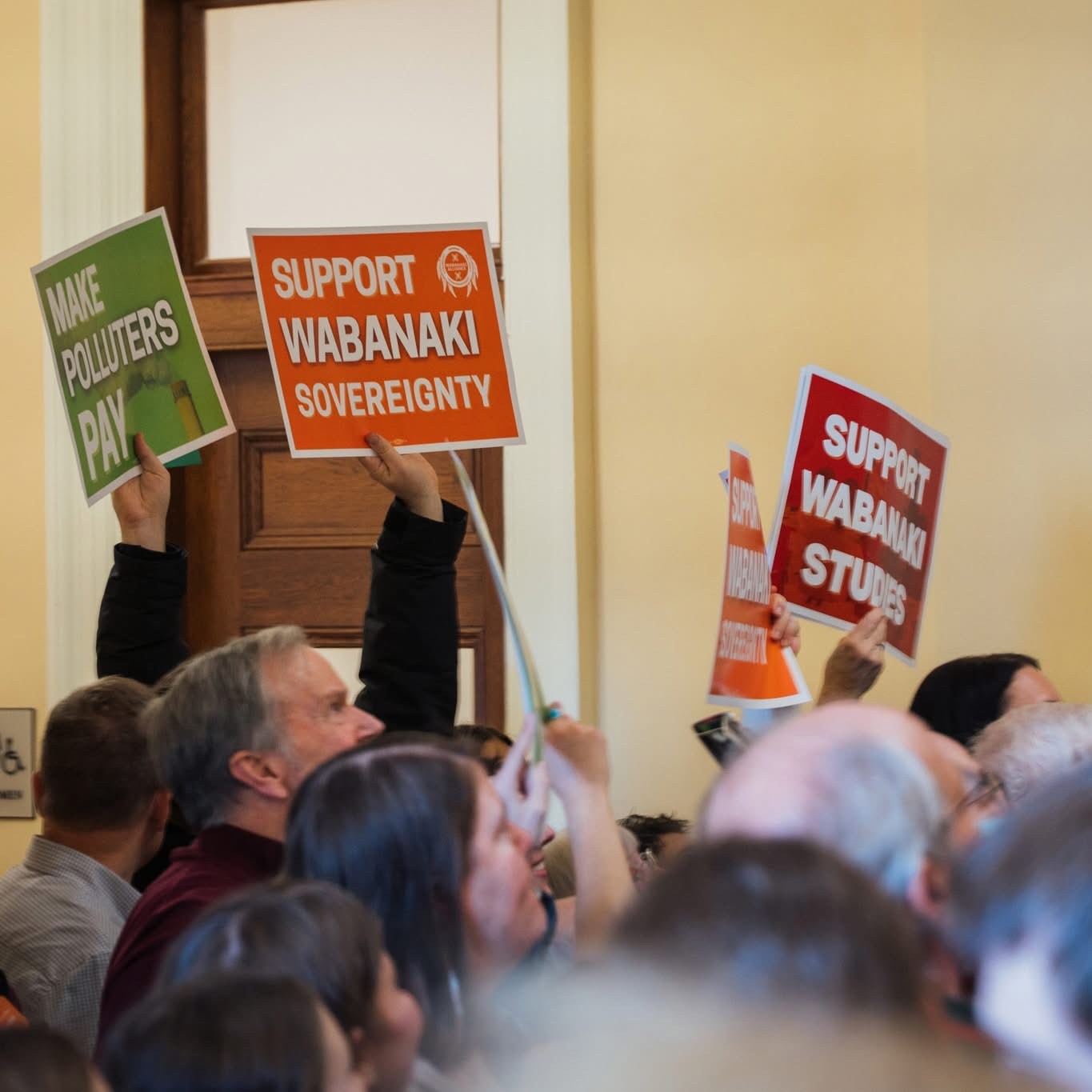
People in Maine believe in fairness. We take pride in standing up and standing together to do what’s right. Restoring self-determination and self-governance to the Wabanaki Nations must be a top priority for Maine’s next leaders.
Because of serious flaws in the Maine Indian Claims Settlement of 1980, the Mi’kmaq Nation, Houlton Band of Maliseet Indians, Passamaquoddy Tribe, and Penobscot Nation are excluded from the rights, powers, and protections guaranteed to all other federally recognized tribes. As a result of this unfairness, the Wabanaki Nations face barriers to purchasing land, accessing health care, protecting their drinking water, regulating hunting and fishing, and integrating cultural values and practices within tribal laws and court structures.
Restoration of the Wabanaki Nations’ sovereign right of self-determination will build trust between governments and create mutually beneficial opportunities for economic development, environmental protections, and improved health and well-being. Across generations, we can all benefit from learning about and from the people who’ve lived and thrived for millennia in this place we now call Maine..
Clean & Affordable Energy
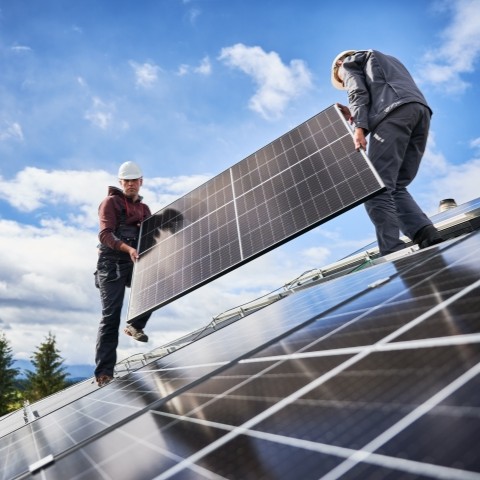
Energy prices in Maine have risen sharply in recent years and we remain overdependent on dirty, out-of-state fossil fuels to generate electricity, heat our homes, and power our vehicles. To turn these trends around, we need to modernize our energy infrastructure and make deeper investments in homegrown renewable energy solutions that lower costs, create good-paying jobs, and end our reliance on imported energy sources.
Maine’s next leaders can help make energy more affordable for everyone by building a smarter, more flexible electric grid; getting more low-cost renewable energy online; holding utilities accountable for producing better results, not just bigger profits; and making sure we achieve the clean energy goals already established in Maine’s Climate Action Plan.
Transportation requires a similar focus and alignment with Maine’s climate goals. Reducing emissions and bringing down transportation costs by investing in a more interconnected, active, and electrified transportation system must be a priority. Redesigning our energy and transportation systems in ways that are accessible and affordable will create a more just and sustainable future for all of us.
A Government that Works for Everyone
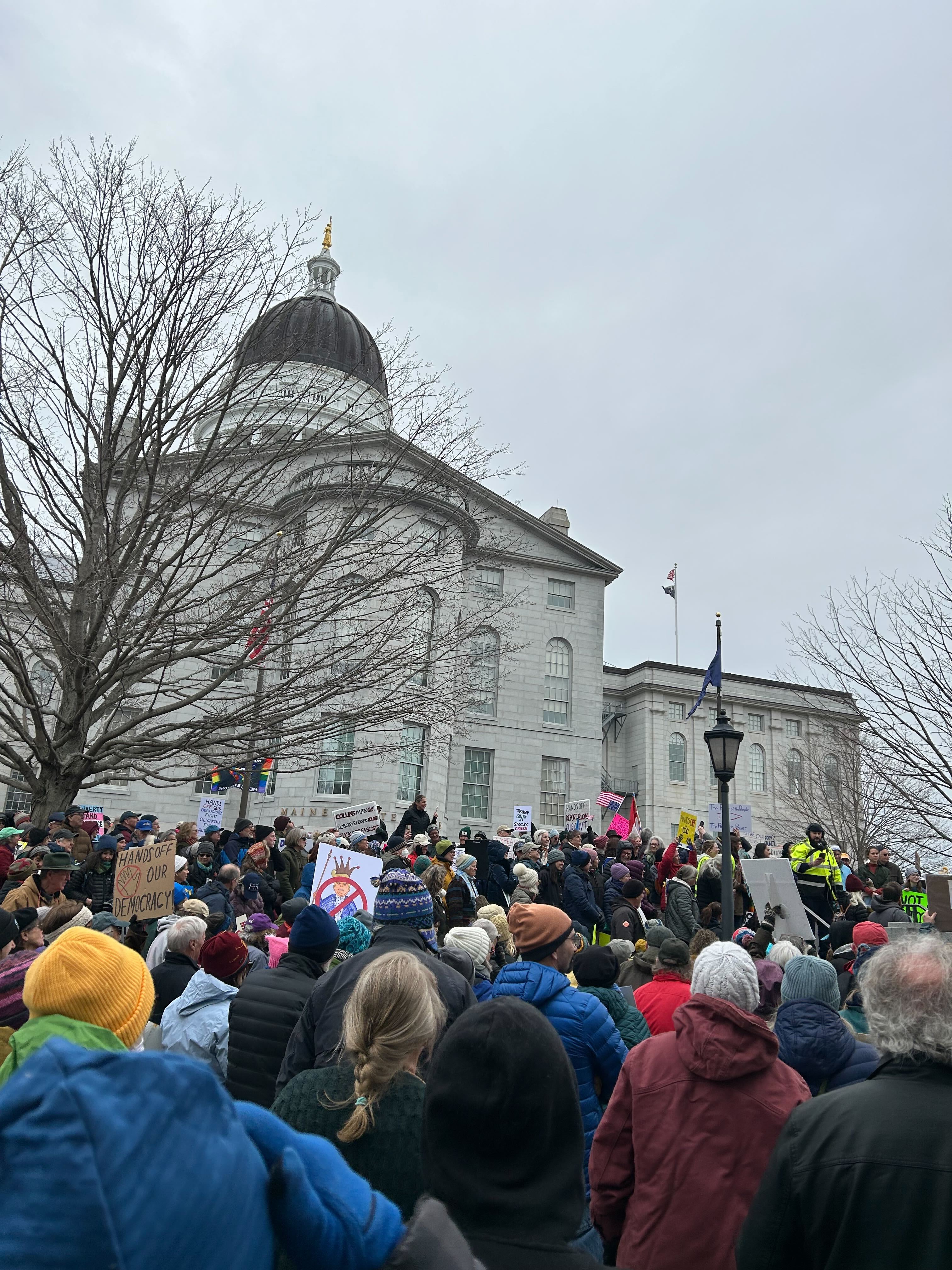
The promise of our American government is “of the people, by the people, for the people.” It’s a promise reflected in Maine’s culture of coming together as neighbors and communities to tackle problems and do what’s right. The growing stress on Maine people and our natural environment will make our collaborative instincts more valuable than ever in the years ahead.
We can do so much more to increase satisfaction and civic pride in the decisions we make together. Our government systems can better reflect our shared values, our changing world, and the challenges and opportunities we now face. It’s time to reinvigorate and modernize our methods of connecting, listening, collaborating, and problem-solving – across generations, regions, and life experiences.
Putting people and communities first is good for our democracy and good for our environment. Maine’s next leaders must provide the focus, the infrastructure, and the financial stability to plan and pursue Maine’s environmental priorities. This must include rebuilding and sustaining a fully staffed environmental workforce and dedicating the funds needed to support communities and ensure fairness and accountability in the application of our environmental rules and regulatory frameworks.
Our Shared Values: